
Selecting the proper telecom enclosure is a decision that will have a substantial effect on the performance, longevity, and safety of your telecom equipment. No matter if you are installing a network in an indoor data center or getting an outdoor system that is exposed to the environment, it is important to choose an enclosure that is perfect for your exact requirements. This article will discuss the main differences between indoor and outdoor telecom cabinets, making you aware of their different characteristics, functions, and applications. At the end of the text, you will possess the know-how to make the right choice that will keep your devices shielded, working efficiently, and dependable in any place.
Understanding Indoor and Outdoor Telecom Enclosures

Definition of Indoor and Outdoor Telecom Cabinets
Indoor telecom cabinets are enclosures that are chosen for very specific use within controlled environments such as data centers, offices, or any other indoor facility. These cabinets protect telecom equipment from dust, minor impacts, and general wear while ensuring proper cable management and ventilation. Because they are stationed indoors, they do not require heavy-duty weatherproofing or strong materials to resist tough outside conditions.
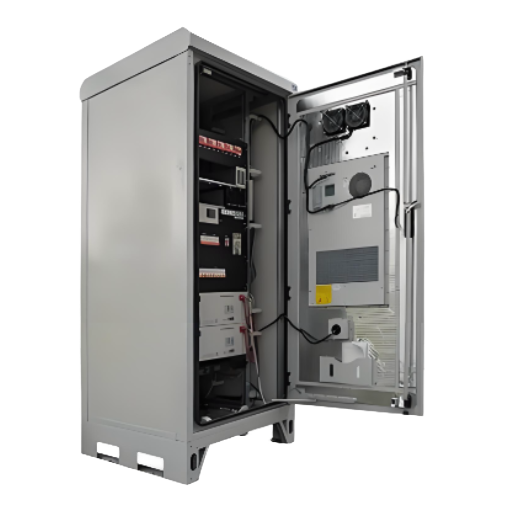
Conversely, outdoor telecom cabinets are designed to survive in the most extreme outdoor conditions. These enclosures are made from heavy-duty materials, are often fitted with weather sealing, insulation, and cooling or heating systems, and thus are capable of shielding sensitive telecom gear from rain, scorching heat, bitter cold, and other climatic influences. They enable consistent and dependable operation of machines in far-off, vulnerable, or crowded places.
Key Insight: The significant difference between the two is their environmental protection capabilities and carefully chosen operating environments. Indoor telecom cabinets are mainly meant for locations having a stable climate and very little exposure to the elements, while outdoor telecom cabinets are necessary to protect the equipment in extreme or fluctuating weather. Choosing between the two depends on the precise needs of the application and the site of installation.
Key Differences Between Indoor and Outdoor Enclosures
The main difference between indoor and outdoor telecom enclosures is their design and environmental resistance. Indoor enclosures are specifically made for places that are climate-controlled and where they have to fight against dust and very small temperature changes. These enclosures are usually very compact and lightweight, and it is because they do not have to resist external weather. They are perfect for places like offices, server rooms, and other indoor areas where the environment is stable.
On the contrary, outdoor enclosures are built to resist and last through tough weather conditions. They are usually weatherproof and thus protect the internal components from rain, hot and cold weather, UV rays, and even dirt and dust, which make up the contaminants that can damage the equipment. Outdoor enclosures usually have sealing technologies, temperature control systems, and strong materials as their features that ensure the length of time the equipment can stay in the environment without needing replacement, and also that the equipment will perform well in such an unpredictable environment.
Decision-Making Principle: Ultimately, the decision on whether to use indoor or outdoor enclosures is determined by the application and environmental conditions. If the setting is a controlled indoor one, then the indoor enclosures which are lightweight and economical are enough, while the outdoor application will ask for more durable and weather-resistant solutions to effectively safeguard the crucial equipment. Therefore, an in-depth assessment of the site’s climate and exposure to risks is paramount to the right enclosure selection.
Common Materials Used in Telecom Cabinets
Telecom cabinets normally incorporate different materials that provide protection, durability, and performance according to the environmental conditions. The most common materials for that are stainless steel, aluminum, and galvanized steel. Their strength and resistance to corrosion as well as their ability to endure harsh weather make them perfect for the protection of the delicate telecom equipment.
Among those materials, stainless steel is the most preferred one for its resistance to corrosion and rust over other materials. Its durability and reliability will even be under harsh conditions, but at a price because it is usually more expensive than others. Next to stainless steel, aluminum is the most preferred material because of its lightweight nature and resistance to corrosion. Besides, it also offers a good range of possibilities to the manufacturers and it is the easiest to produce cabinets that are both functional and economical. Each of these materials is chosen according to the specific needs of the site; hence, in such a way, the telecommunications equipment is well secured and performs at its best.
Cooling Systems and Thermal Management
Ventilation Needs for Indoor vs Outdoor Enclosures
Good ventilation is a must for indoor vs outdoor enclosures if one wants to ensure that the telecommunications equipment works efficiently. In the case of indoor enclosures, the main concern is to regulate the heat build-up that happens due to the operation of electronic devices. This is mostly done through passive ventilation systems like vents or louvers that allow fresh air to come in and hot air to go out, or through active methods like fans and air circulation systems. The main goal here is to keep the internal temperature constant by not allowing the equipment to get too hot, but at the same time not exposing it to dust or dirty air which is very often the case indoors.
Indoor Ventilation Strategies
- Passive Systems: Vents and louvers for natural air circulation
- Active Methods: Fans and air circulation systems
- Primary Goal: Maintain constant temperature while protecting from dust
When it comes to outdoor enclosures, they need a stronger ventilation strategy because of their exposure to different and sometimes very severe weather conditions. These enclosures have to stop the heat build-up that might be caused by either solar radiation or internal operations while at the same time protecting such external factors as rain, humidity, and debris. To be able to keep the equipment protected and working in outdoor environments, advanced thermal management tools like heat exchangers or sealed cooling systems might become necessary. Also, filters or sealed designs are very important to keep the contaminants from being able to affect the performance of the equipment.
Outdoor Ventilation Requirements
- Heat Management: Address solar radiation and internal heat generation
- Environmental Protection: Shield from rain, humidity, and debris
- Advanced Solutions: Heat exchangers or sealed cooling systems
- Filtration: Filters or sealed designs to prevent contamination
The challenge of providing cooling efficiency along with environmental protection for both types of enclosures is of paramount importance. If the ventilation system is compatible with the particular operating environment, it will considerably reduce the risk of equipment failure and increase its operational life. Indoor setups might go for cheap and simple solutions while outdoor enclosures would have to use advanced and expensive solutions resilient to harsh conditions.
Cooling Solutions: Air Conditioning vs Natural Ventilation
The comparison of cooling systems for telecom cabinets, air conditioning, and natural ventilation, both methods have their pros and cons depending on the space. Air conditioning, by its precise temperature control, justifies itself to be used in places where the heat is high or sensitive gadgets are in use. It provides even cooling and shields the equipment from getting too hot, especially in closed airtight areas or not well-vented ones.
In contrast, natural ventilation utilizes the air’s motion to take out the heat, thus becoming a budget-friendly alternative for setups in temperate regions or indoor spaces. It is very low-demanding on electricity as it has no compressors and no refrigerants. However, it is not suitable for areas having extreme temperatures or high humidity, which can shorten the life span and efficiency of the equipment.
In options selection, indoor enclosures often prefer natural ventilation because of the controlled and less strenuous environments. Outdoor telecom cabinets that are at one with nature and subjected to different weather conditions generally need air conditioning or advanced hybrid solutions to be able to deal with the harsh external elements. The decision should be made in accordance with climate, the sensitivity of the equipment, and energy efficiency objectives to guarantee optimal performance and cost-effectiveness.
Thermal Management Strategies for Different Environments
Thermal management approaches for indoor and outdoor telecom cabinets clash quite a bit owing to the different environmental conditions. Indoor cabinets are in a controlled environment and often do not require any thermal management except for the passive method like ventilation, which helps to get rid of heat efficiently. The indoor environment protects against extreme temperatures, rain, and dust thus making maintenance easier and prolonging the lifespan of equipment.
Critical Thermal Management Factors
- Ambient Temperature: Assess local climate conditions and temperature extremes
- Equipment Sensitivity: Consider heat tolerance of internal components
- Energy Efficiency Goals: Balance cooling effectiveness with power consumption
- Environmental Durability: Ensure long-term reliability in operating conditions
Outdoor telecom cabinets, in contrast, are at the mercy of changing and at times extreme weather conditions. These cabinets need to be equipped with thermal management solutions that are more powerful, like air conditioning, heat exchangers, or hybrid systems where active cooling is combined with passive cooling. Proper sealing and insulation are also crucial in the fight against humidity, dust, and even insects coming in while keeping power consumption low for cost efficiency.
Picking the right approach, among others, entails taking into account the ambient temperature, equipment sensitivity, energy efficiency goals, and environmental durability. Once these factors are taken into account, operators can guarantee that the equipment will not fail, that the operating costs will be low, and the equipment’s life will be extended. Thermal management that works efficiently is one of the most important factors in maintaining performance and providing protection for the telecom infrastructure.
Security Features in Telecom Cabinets

Assessing Security Needs for Indoor and Outdoor Settings
Telecom cabinet security measures can differ a lot by the place whether it is outdoor or indoor. The indoor installations’ security mainly concerns preventing unauthorized persons from gaining access to that network and compromising its integrity. This can be met by using access control systems of hard security, like physical locks or advanced card readers, that allow access only to the authorized personnel. In addition to those access control systems, installing surveillance cameras and alarm sensors as part of the monitoring system can give extra protection in places where tampering or even sabotage is possible.
Indoor Security Focus
- ✓ Access control systems
- ✓ Physical locks and card readers
- ✓ Surveillance cameras
- ✓ Alarm sensors
Outdoor Security Focus
- ✓ Weatherproofing
- ✓ Robust structural design
- ✓ Anti-theft locks
- ✓ Remote monitoring systems
The outdoor telecom cabinets have to deal with environmental and physical risks, which are the main factors that make their security requirements different from indoor ones. Weatherproofing and strong structure are the design aspects that will make the equipment stay protected from the climate, where extreme temperatures, rain, or snow would just make the equipment unusable. To be precise, anti-theft including theft-proof locks and sturdy enclosures is what make the outdoor installation of the telecommunication equipment secure from vandalism or theft. Moreover, the installation of remote monitoring systems guarantees that security breaches or malfunctions will be detected without delay.
⚠️ Critical Security Reminder: Telecom operators must include cybersecurity measures in the same basket as physical security measures in order to provide comprehensive protection. Both indoor and outdoor environments need to have robust measures protecting sensitive data from being leaked and unauthorized access to connected systems being attempted. The encryption protocols, firewalls, and regular software updates are the main steps to take in the battle against cyber threats. By taking care of both physical and digital weaknesses, the telecom infrastructure will be able to remain strong and dependable in all operating conditions.
Common Security Features in Telecom Enclosures
Telecom enclosures are made to protect the critical infrastructure from physical and digital threats. One of the most important security features is access control systems, consisting of locks and keypad entry, which stop unauthorized personnel from tampering with the sensitive equipment. With these systems in place, only authorized personnel are allowed to interact with the systems located within the enclosures.
Essential Security Features Checklist
- Access Control Systems: Physical locks, keypad entry, and authentication systems
- Environmental Protection: Weatherproof design and durable materials
- Monitoring Systems: Temperature and humidity sensors for early detection
- Tamper Alarms: Alert systems for unauthorized access attempts
- Physical Hardening: Reinforced structures resistant to forced entry
Environmental protection is another important security feature. Telecommunication enclosures are equipped with a weatherproof feature and are made of tough materials, thus giving them the ability to withstand harsh environmental conditions like rain, snow, and extreme temperatures. This not only ensures that the equipment inside remains functional but also that it is protected from external damage even in very difficult outdoor or industrial areas.
In telecommunication enclosures, monitoring systems like temperature and humidity sensors are usually part of the package. These systems assist in the early detection of possible problems, such as overheating or too much moisture, that could impair the performance of the equipment. Along with other measures like tamper alarms and physical hardening, these features are very important in making the telecom infrastructure reliable and secure.
Best Practices for Securing Telecom Equipment
Securing telecom equipment is very important for public networks and also for keeping the data safe from threats. One of the main goals of this best practice is to have strict access controls. This includes the introduction of role-based access permissions so that only authorized personnel are able to reach certain systems and enclosures. Regularly changing passwords and using multi-factor authentication make this layer of security even stronger.
Security Best Practices Framework
1. Access Control
Role-based permissions, regular password changes, multi-factor authentication
2. Environmental Monitoring
Temperature, humidity, and airflow sensors for proactive issue detection
3. Physical Security
Strong materials, tamper alarms, routine inspections and maintenance
Another important thing to do is to make sure there is environmental monitoring all the time. Putting in place temperature, humidity, and airflow sensors is one way to spot the conditions that can lower the performance of the equipment. It is a good practice to handle the problem of the environment early and in a manner that does not lead to failure of the equipment. Such problems may be excess heat, light or airflow. One of the ways to handle these problems is by giving the hardware an extended life.
Physical security is the last thing that should be considered. The parts of the given enclosure should be made of strong, not easily breakable materials, and the door should have alarms that can alert the operators if anyone tries to enter without permission. It is also necessary to carry out routine inspections and maintenance in order to find and fix any weak spots before they are taken advantage of, thereby keeping the telecom infrastructure secure and reliable.
Scalability and Future-Proofing

Choosing Scalable Indoor vs Outdoor Telecom Cabinets
When making a choice between indoor and outdoor telecom cabinets, scalability factors the most indoors. Cabinets reach indoor environments where equipment must be kept safe from internally controlled risks like dust or humidity conditions typical for server rooms or data centers. They are efficient and provide a modular design that allows for the adjustment of capacity and layout as the demand for the network grows. Moreover, the indoor cabinets are sometimes less expensive than their outdoor counterparts in terms of use of space.
In contrast, the outdoor telecom cabinets are a necessity in the case of such environments where they will be exposed to the harshness of weather conditions like the rain, extreme heat and cold, and direct sunlight. But outdoor cabinets are designed for that and equipped with high-quality materials and an insulation system to keep sensitive telecom equipment safe from the external elements. These cabinets are perfect not only for remote areas but also for networks that are extending beyond the traditional indoor spaces. They can be positioned anywhere—geographically and environmentally—inside or outside your facility.
Therefore, the selection of the cabinets mainly depends on the particular requirements of the network environment and the future growth plan. If the infrastructure is forecasted to extend into outdoor or remote areas, then outdoor cabinets give a guarantee of long-term scalability, plus equipment protection. Indoor cabinets are thereby seen as more cost-effective and flexible for indoor operations with predictable growth. Both options indeed have their pros and cons but they must be weighed for their durability, capacity for upgrades, and suitability for the environment.
Considerations for Equipment Growth and Changes
When organizations are planning for equipment growth and changes they should examine Current and future needs thoroughly. It is very important to make the growth curve clear to the company so that no more than necessary replacements or upgrades will be needed. Assessing factors like increased data need, technological progress, and the possible operation’s expansion goes under this. Properly predicting these requirements will guarantee that the equipment chosen will support long-term scalability and will be cost-effective for the company in the long run.
Key Planning Considerations
- Current and Future Needs: Map out growth trajectory to minimize unnecessary replacements
- Environmental Suitability: Match equipment capabilities to location-specific requirements
- Upgrade Capacity: Select modular equipment for easier technology adaptation
- Cost-Effectiveness: Balance initial investment against long-term operational expenses
Another Point that should be considered carefully is the environment where the equipment will be used. The equipment should be chosen according to its ability to work with maximum reliability in the designated location, irrespective of whether indoors or outdoors. Factors like the climate, moisture, and the chances of the equipment getting exposed to extreme conditions and so on need to be considered. When the equipment is selected based on durability and meeting the operational standards, it will prevent downtime and reduce maintenance costs which in turn will lead to better efficiency and reliability.
In the end, the capacity for upgrades should always be a point of concern in the selection process. Going for equipment that is modular or easy to upgrade can be financially and time-wise beneficial as new technologies come in. This gives the company the control to adjust to the changing needs without getting rid of the entire system which in turn supports more sustainable growth and continuity of operations.
Long-term Operational Costs of Indoor and Outdoor Solutions
In comparison of long-term operational costs of indoor and outdoor solutions, the main aspects would be maintenance, electricity use, and adaptability to the environment. Indoor solutions usually have the advantage of stable environments, which ultimately results in less maintenance and longer life for the equipment. On the other hand, they may have to pay more for electricity because of climate control systems, including heating, ventilation, and air conditioning. Nevertheless, proper insulation and energy-efficient designs can minimize these costs over time.
In contrast, outdoor solutions are subjected to changing environmental conditions, such as very bad weather, temperature shifts, and humidity, and consequently, they suffer more wear and tear which leads to maintenance costs being higher and faster replacement of components. On the brighter side, some outdoor systems, like solar-powered equipment, can significantly cut down electricity costs by tapping into the natural resource. The exact operational costs are mainly influenced by the robustness and design of the equipment that is chosen to survive such conditions.
💡 Cost Analysis Tip: The choice between indoor and outdoor solutions in the end should weigh the upfront cost against the continuous operational cost. The companies need to understand the purpose, the lifespan, and the environmental conditions of the equipment that they are going to use. A cost-benefit analysis carried out over the whole lifespan of the system can give a definite understanding of which of the two solutions is economically more viable in the long run.
Applications of Indoor and Outdoor Telecom Cabinets

Common Applications in Telecommunications
Telecommunication cabinets, those used indoors as well as outdoors, are very important for modern telecommunications infrastructure to be supported. They equip sensitive devices like servers, network routers, and power systems which are protected and maintained with their functionality under various conditions. These cabinets are turning out to be the most necessary component for the communication of voice, data, and broadband services that are most relied on for everyday communication to be done without interruption.
Indoor Applications
- 📍 Data Centers
- 📍 Office Buildings
- 📍 Server Rooms
- 📍 Controlled Environments
Perfect for strictly controlled environmental factors like temperature and humidity, providing neat equipment organization and effective cooling systems.
Outdoor Applications
- 🌐 Highway Installations
- 🌐 Rural Areas
- 🌐 Urban Cellular Networks
- 🌐 Remote Installations
Built to endure extreme temperatures, rain, and dust, with robust construction protecting critical components in harsh conditions.
Indoor telecom cabinets usually find their usage in controlled environments like data centers, offices, or server rooms. The cabinet is perfect for places that have environmental factors like temperature and humidity very strictly controlled. This type of cabinet provides neat sorting of the equipment as well as allowing the use of very effective cooling systems that provide the best performance to the hardware while also giving it a longer lifespan.
The opposite is true for outdoor telecom cabinets since they are built to endure very tough external conditions like extreme temperatures, rain, and dust. Remote installations are the most common use for them, e.g., along highways, in rural areas, or for urban cellular networks. Their strong construction not only protects the critical components but also supports uninterrupted connectivity even in the hardest situations. These different applications not only show the necessity of telecom cabinets in backing the networks of communication all over the world.
Use Cases in Data Centers and Network Facilities
Telecom cabinets are one of the main components that are necessary for the operation of data centers and network facilities. Their usage helps to keep servers, routers, and storage machines in a tight order, and, at the same time, the components are securely stored in the best possible conditions. Telecom cabinets are controlled environments for networks that control air, temperature, and humidity, thus preventing overheating and making the systems durable and reliable.
Primary Use Cases in Network Facilities
- Equipment Organization: Secure storage and orderly arrangement of servers, routers, and storage systems
- Cable Management: Structured frameworks to reduce clutter, improve maintenance, and prevent signal interference
- Environmental Control: Regulation of air, temperature, and humidity for optimal system performance
- Scalability Support: Modular solutions enabling easy integration of additional computing or storage capacity
Cable management and efficient space utilization are the other major use cases among these facilities supported by cabinets. With structured frameworks and compartments, telecom cabinets reduce clutter by keeping cables neatly organized and separated. This not only aids in maintenance and troubleshooting but also enhances the overall performance of data and power transfer within the system. Quality cable management also lowers the likelihood of problems like signal interference and abrupt disconnections.
What’s more, telecom cabinets are powerful allies in the stage of scalability and future expansions of data centers and network facilities. The modular solutions that cabinets provide for businesses that need to grow and want to have more computing or more storage are easier to integrate. Their strong build and versatility are the reasons for the modern communication networks not only to sustain their operations but also to continue with the rapid data flow that crosses the industries.
Sector-Specific Requirements for Telecom Enclosures
In order to maintain reliability and gain the most out of the operation, the telecom enclosures have to satisfy the respective environmental as well as operational requirements. The enclosures are to provide protection for the delicate equipment against external factors such as moisture, dust, and extreme temperatures. The enclosures meant for outdoor telecommunications need to have weatherproof and corrosion-resistant properties as a minimum to be able to endure harsh environmental conditions.
Critical Sector-Specific Requirements
Environmental Protection
Weatherproof, corrosion-resistant properties; protection against moisture, dust, and extreme temperatures
Thermal Management
Adequate ventilation, cooling devices, climate-control options; power management features
Security Features
Sturdy construction, tamper-resistant design, locking systems, alarm systems, intrusion detection
Moreover, the telecom enclosures need to have thermal management systems to avoid the overheating of the components that are contained inside. Adequate ventilation, cooling devices, or climate-control options are necessary for equipment performance and longevity. Power management features along with backup power integration are also required to cut down on disruptions during outages.
Another significant aspect of the telecom enclosures is security. They have to be sturdy and resistant to tampering in order to keep the unauthorized personnel away from the crucial communication infrastructure. Locking systems, alarm systems, and intrusion detection features can reinforce the protection, thus facilitating the enclosures to effectively meet the specific requirements of the telecom sector.
Frequently Asked Questions (FAQ)
References
-
- Telecommunications Network Switching Facility
This report discusses telecommunications infrastructure, which may include considerations for indoor and outdoor telecom cabinets.
Read the document here - Johns Hopkins Administrative Specification for Cable Plant Labeling and Records
This document provides specifications for telecommunications equipment, including labeling and installation, which may relate to indoor and outdoor cabinets.
Access the document here - Telecommunications Administration Standard
This standard outlines the use of cabinets for telecommunications equipment, including details about their interior and exterior applications.
View the document here - Indoor Telecom Cabinets for Mission-Critical Networks
- Telecommunications Network Switching Facility


![What Is a Power Box? Types, Functions & Selection Guide [2026]](https://www.kdstelectrical.com/wp-content/uploads/0-9-300x200.png)
