The fast-paced advancement of 5G technology is the one that invariably brings us into a new era of connection, communication, and operation in all aspects of life. The defining characteristics of 5G networks are high download speeds and ultra-low latency, which altogether make 5G networks the main supporter of the smart buildings, IoT innovations, and advanced enterprise solutions. But still, the installation of 5G in buildings, especially in the case of infrastructure planning and cabinet installation, is a challenging task. In this article, the reader’s attention will be drawn to the proper ways of placing the 5G cabinets in indoor settings which will ensure the highest quality of performance, absolute reliability, and maximum scalability. This guide is for network engineers, facility managers, and tech enthusiasts alike, as it will provide them with actionable insights for getting the most out of their 5G deployment.
Understanding 5G Networks and Their Requirements

Overview of 5G Technology
The new 5G technology is the term for the fifth generation of wireless communication networks that are to provide a wide range of cutting-edge applications, the basic requirement being faster speeds, lower latency, and massive connectivity. 5G spans all the frequency bands, low-band, mid-band, and high-band (mmWave) with each having its pros and cons regarding coverage and speed. Thus, it is the main step towards making possible the futuristic applications like autonomous driving, IoT, etc.
The main infrastructure that supports the whole phenomenon of 5G networks is one of the most important aspects of this new technology. 5G, as opposed to its predecessors, needs a large number of tiny cells which will operate together with the existing cellular towers to deliver its high data rates. Apart from that, urban areas would have to be equipped with small cells to avoid congestion caused by the large number of data users and the heavy data flow from the various applications running on different devices. Further, the massive MIMO (Multiple Input, Multiple Output) systems that enhance the network capacity and coverage are the ones that are used almost exclusively in 5G networks.
The deployment process of 5G is not without difficulties, such as the need for a frequency spectrum, the potential for network interference, and energy consumption. Also, the planning and placement of the network components, including the indoor 5G cabinets, are very much critical for the performance and reliability of the network. If all these factors are dealt with properly, 5G infrastructure will be more scalable and the users will be able to take full benefit of its advantages.
📊 Key 5G Frequency Bands
| Band Type | Characteristics | Best Use Case |
|---|---|---|
| Low-Band | Wide coverage, lower speeds | Rural areas, broad coverage |
| Mid-Band | Balanced coverage and speed | Urban environments, general use |
| High-Band (mmWave) | Ultra-fast speeds, limited range | Dense urban areas, venues |
Key Components of 5G Infrastructure
The 5G infrastructure is made up of many different component parts, and these collectively make it possible to use the advanced features of the mobile technology. A very important one is the small cells network. These are base stations that operate at low power and that try to improve both the area served and the number of users connected, especially in urban centers where the demand is higher than what the macro towers could meet. The small cell deployment will then result in the network being able to process the high volume of data and temporarily uphold the higher speed very efficiently.
The other important item is the fiber-optic backhaul connection which is to link the small cells, macro towers, and data centers to the core network. Fiber-optic cables are the ones that provide the high-speed and low-latency connections that are the very ones needed by 5G to excel. If the backhaul was not insured and reliable, the advanced features such as real-time applications and huge device connectivity would be inoperative.
The last aspect is that 5G is very much dependent on the core network technologies, like network slicing and virtualization, which are advanced ones. Network slicing gives the operators the chance to establish dedicated virtual networks according to the needs, whether they are for autonomous cars, e-health from remote locations, or industry getting automated. Conversely, virtualization not only facilitates the management of the network but also boosts its elasticity by making it possible to use software-based solutions. In combination, these components give birth to a 5G that is a robust and versatile ecosystem.
🏗️ Small Cells Network
Low-power base stations improving coverage and capacity in high-demand urban areas
🔗 Fiber-Optic Backhaul
High-speed connections linking small cells, macro towers, and data centers to the core network
⚡ Core Network Technologies
Network slicing and virtualization enabling dedicated virtual networks for specific applications
Choosing the Right Cabinet for 5G Applications

Types of Cabinets: Indoor vs Outdoor
The cabinet type, be it indoor or outdoor, for 5G applications mainly relies on the environmental conditions and operational requirements of the deployment. Specifically, indoor cabinets are made for controlled environments like data centers and office spaces where factors such as temperature and humidity can be controlled. These cabinets’ performance is generally optimized and maintenance is made easier because of their protected location. However, they are not suitable for outdoor environments that are severely impacted by weather.
On the other hand, outdoor cabinets are made to withstand very harsh environments including extreme rain, snow, heat, and dust. Often, these cabinets come with strong housing and thermal management features to keep the operation at the right level even if the outside conditions are harsh. They are perfect for installation in very remote or very visible spots such as roadways, urban areas, or close to cell towers. Outdoor cabinets are the solution to the problem of drawing 5G networks closer to customers without depending on indoor infrastructure.
In the end, the decision between indoor and outdoor cabinets is determined by project-specific considerations like location, space, climate, and accessibility needs. Indoor cabinets might be the cheaper option in controlled environments but outdoor cabinets guarantee reliability and durability when the environment is a challenge. Therefore, recognizing these differences is crucial in achieving the desired performance and longevity of a 5G network deployment.
⚖️ Indoor vs Outdoor Cabinets Comparison
| Feature | Indoor Cabinets | Outdoor Cabinets |
|---|---|---|
| Environment | Controlled (data centers, offices) | Harsh (rain, snow, heat, dust) |
| Durability | Standard protection | Enhanced weatherproofing |
| Cost | Lower initial investment | Higher initial investment |
| Maintenance | Easier access | May require specialized access |
| Best For | Buildings, controlled spaces | Roadways, remote locations, cell towers |
Material Considerations: Stainless Steel vs Polycarbonate Enclosures
When selecting the right materials for the 5G network deployment, the stainless steel or polycarbonate enclosures choice is mainly determined by the climate and the deployment’s requirements. Stainless steel enclosures have long been recognized for their enduring strength and excellent rust resistance; therefore, they are the best option for extremely outdoor locations. These enclosures provide the highest protection against the harshest of weather, physical impacts, and tampering, thus, it is guaranteed that the equipment will be safe and operational for a long time.
In contrast, polycarbonate enclosures present a very lightweight, budget-friendly, and often very suitable for indoor applications or less demanding outdoor conditions. Even though not as strong as stainless steel against physical impacts or extreme weather, polycarbonate enclosures can still withstand UV radiation and certain chemicals. Moreover, their being lightweight also means that they are easy to handle and install, thus, labor costs will be reduced and also potential logistical challenges in certain scenarios will be eliminated.
Eventually, determining the right material is dependent on the project’s environmental exposure, maintenance needs, and budget constraints. Stainless steel enclosures might involve a bigger initial investment but at the same time offer the highest protection and the longest life in very harsh environments. On the other hand, polycarbonate is a wise choice for budgets with limited resources for projects in controlled environments. Weighing these factors properly will give the 5G deployment the best performance and longest life.
🔩 Stainless Steel
- Superior durability and rust resistance
- Maximum protection against harsh weather
- Excellent physical impact resistance
- Tamper-resistant properties
- Higher initial investment
- Ideal for extreme outdoor locations
🧊 Polycarbonate
- Lightweight and budget-friendly
- UV radiation resistant
- Chemical resistant properties
- Easy handling and installation
- Reduced labor costs
- Best for indoor or mild conditions
Specifications for 5G Cabinets
Numerous important specs must be taken into account when 5G cabinets are designed to get the maximum performance and lifespan out of the product. Most importantly, the material of the cabinet must be compatible with the deployment area. For example, stainless steel is the material of choice for rough, exposed, outdoor areas because of its long-lasting quality and non-corrosive nature, while polycarbonate is a good option for indoor or controlled environments, where the impact of environmental factors is less.
Another specification critical to 5G cabinets is thermal management. Heat produced by 5G equipment needs to be properly ventilated or cooled down by active cooling systems, so the 5G equipment can operate consistently and not get too hot. Cabinets with cooling solutions built in are perfect for places that are hot or where equipment use is continuous.
One more thing, cabinets must grant access to their contents but be tamper-proof at the same time to protect the high-tech devices. That is why locking systems and weatherproof seals are very important for the cabinet’s functionality and integrity to be maintained. Apart from that, cabinets need to comply with industry standards regarding ingress protection (IP) and safety certifications in order to be resistant against water, dust, and impacts. When these specifications are balanced, a 5G cabinet can be both reliable and efficient in different deployment scenarios.
✅ Essential 5G Cabinet Specifications Checklist
Best Practices for Equipment Installation

Space Management in Cabinet Design
Effective space management in cabinet design is of paramount importance in achieving the best possible functionality, easy maintenance, and a good use of resources. The interior layout is well organized to allow the use of space optimally, thus proper arrangement of equipment, cables, and components can take place without overcrowding. Besides, proper spacing contributes to the improvement of airflow, which in turn minimizes the risk of overheating and thus prolongs the lifetime of internal components.
In order to space manage the cabinet efficiently, it is a must to use adjustable shelving, modular racks, and organized cable management as part of the cabinet features. Each one of these features allows for the accommodation of different sizes and configurations of equipment while maintaining orderly arrangements. The arrangement must be such that it is very easy for the technicians to access the equipment during inspections or repairs, and this will result in less downtime.
A very important component of this whole process is being able to foresee future requirements. Cabinets should be designed in such a way that they can be made bigger, so that it will always be possible to add more equipment if the network demand increases. This strategic planning in a way saves costs and also prevents the situation where one has to frequently replace the cabinets, thereby keeping the cabinet functional and adaptable in the long run. The perfect combination of foresight, organization, and flexibility allows space to be used effectively without compromising performance or reliability.
💡 Pro Tips for Space Management
- Adjustable Shelving: Utilize flexible shelving systems to accommodate various equipment sizes and configurations.
- Modular Racks: Implement modular rack systems that can be easily reconfigured as needs evolve.
- Cable Management: Organize cables systematically to maintain airflow and simplify troubleshooting.
- Accessibility Planning: Ensure easy technician access for inspections and repairs to minimize downtime.
- Future-Proof Design: Plan for scalability to accommodate network growth without cabinet replacement.
Power Supply Solutions: AC vs 48VDC
In the case of the power systems for the network deployment, the comparisons of the options namely the AC power and the 48VDC power system brought out the special advantages that are based on the specific requirements of the setup. The AC power systems that are already in place are very common and thus the most practical approach with a range of deployments. It is the case that they are suitable for power setups at places where the conventional electrical infrastructure is already installed and as such they provide the comfort and have the initial setup costs lowered and even increased energy conversion losses in the case of being paired with systems that are internal, requiring DC power.
Conversely, the 48VDC power systems often get their appreciation from being reliable and efficient, particularly in telecommunications and network infrastructures. In these cases, power conversion steps are minimal which means that energy losses are reduced and energy efficiency is enhanced. Also, the 48VDC systems are regarded as safer due to their low voltage thus, there is a decrease in the risks of electrical hazards not only during installation but also during maintenance. Moreover, in cases of situations where power is required without interruption, these systems can come in handy as they are well-suited with the battery backup systems that would be dependent on their consistent performance for reliability.
After all, the decision of either AC or DC systems will depend on the particular needs of the network, including aspects like energy efficiency, safety, cost, and infrastructure compatibility. For example if the power consumption is critical, then the use of 48VDC would surely be the way to go. In contrast, though, when the factors of simplicity and wide availability of AC power are paramount, then AC power will be the choice that will come out as dependable still. A very thorough examination of the deployment setup and the power needs over the long term will help in picking the most suitable power solution.
⚡ Power Supply Comparison: AC vs 48VDC
| Criteria | AC Power | 48VDC Power |
|---|---|---|
| Energy Efficiency | Moderate (conversion losses) | High (minimal conversion) |
| Safety | Standard precautions required | Safer (low voltage) |
| Initial Cost | Lower setup costs | Higher initial investment |
| Availability | Widely available | Specialized infrastructure |
| Battery Backup | Requires conversion | Seamless integration |
Heat Management Strategies
Proper management of heat is a critical factor in the performance and life cycle of 5G indoor deployment equipment. Enclosed indoor environments housing high-powered cabinets generate a lot of heat and if the heat is not managed well, that might lead to equipment malfunction. Operators, therefore, need to be the ones who implement the right combination of passive and active cooling solutions to effectively dissipate heat based on the specific equipment and site conditions.
Passive cooling solutions include good ventilation design and materials that have high thermal conductivity for the cabinet structure. Systems for ventilation should be designed with the capability to provide sufficient airflow that can carry away heat, especially during deployments where there is a high concentration of equipment. Moreover, air-conditioned can be placed in places where there is good ventilation which will help in the natural dissipation of heat and therefore reduce the need for cooling from outside.
Cooling strategies that are described as active involve the use of elements such as fans or air-conditioning units to manage the temperature in the cabinet. Fans provide an affordable and efficient way to increase air circulation, while air-conditioning units are a must for hot areas where the heat-up will require the installation of an additional cooling system. When choosing active cooling equipment, factors such as energy efficiency and maintenance requirements should be taken into account to keep operational costs at a minimum. The application of these methods along with the monitoring of temperature assures that the heat management system is responsive and can adapt to changing conditions. Proper heat management is like insurance against the nonperformance and unreliability of the equipment.
🌀 Passive Cooling
- Strategic ventilation design
- High thermal conductivity materials
- Optimized cabinet positioning
- Natural heat dissipation
- Low energy consumption
❄️ Active Cooling
- Cooling fans for air circulation
- Air conditioning units
- Temperature monitoring systems
- Adaptive climate control
- Essential for high-heat environments
Innovative Solutions for 5G Indoor Deployments
Modular Cabinet Designs
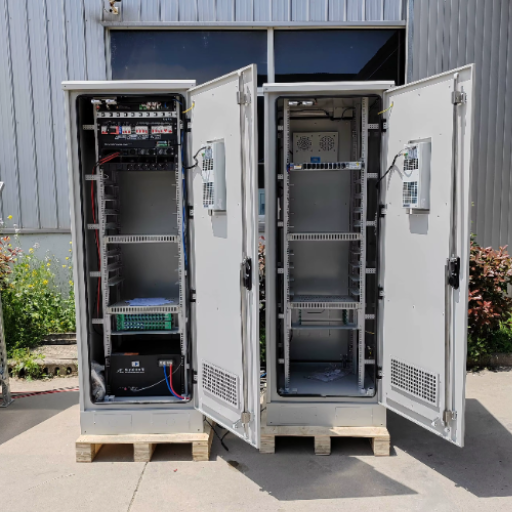
The modular cabinet designs have gained an important position in the list of requirements for 5G indoor deployments due to their flexibility, scalability, and easy installation. The cabinets have a construction that features configurable modules and they allow operators to customize them according to their deployment needs. This ability to customize the new tower modules ensures that they can still make use of the least space possible and that no resources are wasted. This capability is very important when dealing with urban areas or any other kinds of situations where the available space is limited.
Moreover, the modular design makes it possible to upgrade and expand in the future. The rapidly evolving technology and rising data demands dictate that 5G installations be constantly adaptable to either new hardware or performance quality increases. Modular cabinets will give you that fast incorporation of new parts without having to redo the whole thing from the start thus being a great time and cost saver in the long run. They are structured in such a way that you will be able to deploy the new parts or do maintenance without bringing the whole system down.
Furthermore, the modular cabinets come with excellent heat management systems to keep the equipment inside the cabinets at the right operating temperatures. The cabinets are often equipped with cooling solutions that are built in, ventilation systems, and temperature controls that are all aimed at keeping the equipment from overheating. By the combination of strong thermal management, scalability, and durability, modular cabinet designs become a significant contributor to the reliability and efficiency of 5G indoor deployments.
🔧 Key Benefits of Modular Cabinet Designs
Flexibility
Configurable modules for custom deployments
Scalability
Easy expansion as needs grow
Quick Installation
Reduced deployment time
Cost Effective
Lower long-term investment
Advanced Cooling Systems
Advanced cooling systems are indispensable for 5G indoor deployments in keeping the equipment housed inside modular cabinets performing optimally for a long time. Their primary function is to control the heat levels reliably and effectively, thus preventing the equipment from overheating, which could ruin the equipment or interfere with the operation. Modern technologies such as active cooling, passive heat dissipation, and accurate airflow management are all part of these cooling systems.
Active cooling methods, like fans or liquid cooling systems, work by actively forcing heat away from the equipment in order to keep the temperature at the desired level. These methods are usually applied where there is a wide range of temperature fluctuations, giving a very effective way to keep the cooling consistent. In contrast, passive cooling systems depend on the natural heat transfer through the use of materials and designs that allow heat to escape, thus they are very low-energy and low-maintenance solutions.
Bringing together these cooling practices along with smart temperature sensors means that the system has the ability to cool according to real-time thermal conditions. This method not only maximizes energy efficiency but also maintains stable operations. Reliable and efficient cooling systems that can withstand the heat are necessary for the functioning and thus the performance of indoor 5G applications.
Smart Monitoring Tools and Technologies
Smart monitoring tools and technologies are responsible for keeping the indoor 5G systems efficient and reliable. By using sophisticated sensors and advanced data analytics, these tools give instant information about network performance and the surrounding conditions. Continuous monitoring of various parameters like temperature, humidity, and the functioning of the equipment ensures that the whole system is stable and operates at its best, even under challenging conditions.
The capability of smart monitoring tools to forecast and mitigate issues is one of the major benefits of this technology. The use of predictive analytics enables these technologies to spot patterns or anomalies that could result in failures or service interruptions. This anticipatory method leads to less downtime, lower maintenance costs, and continuous provision of service, which is particularly important for 5G applications.
Furthermore, these tools support the installation of resources in a very efficient manner by minimizing energy usage and maximizing the performance of the entire system. For instance, an intelligent monitoring system might be used to manage cooling or power consumption according to the real-time requirement, thus enhancing energy efficiency while keeping the performance standards high. These technologies, when used together, provide a full menu of options for handling intricate 5G networks in a cost-effective and eco-friendly manner.
📡 Smart Monitoring Capabilities
Real-Time Analytics
Instant data on network performance and environmental conditions
Predictive Maintenance
Identify potential failures before they occur
Energy Optimization
Intelligent resource allocation based on demand
Automated Responses
Self-adjusting systems for optimal performance
Compliance and Industry Standards

Understanding NEMA Ratings
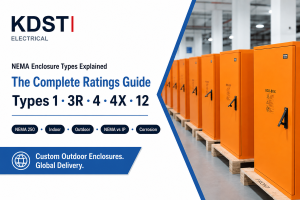
NEMA ratings are the designation established by the National Electrical Manufacturers Association, which are keenly used to classify electrical enclosures according to their environmental-proofing capability. These ratings are effective in deciding the degree of protection a particular enclosure can supply to its internal parts from external agents like dust, water, and other possible contaminants. Compliance with NEMA standards makes it possible for manufacturers and installers to guarantee safety, dependability, and conformity to the industrial needs.
The ratings span all the way from the very minimum level of protection from small particles to the most robust enclosures that can survive the toughest conditions, e.g., heavy water spray or corrosive atmosphere. For instance, a NEMA 1-rated enclosure provides no more than basic protection against unintentional contact and light dust, whereas a NEMA 4X-rated enclosure will not only resist water and corrosion but also survive extreme conditions that make them appropriate for outdoor and heavy industry use. These ratings give the power to the users to select the type of enclosure according to the specific environmental challenges presented by the application.
NEMA rating comprehension has become a necessity for the selection of industrial equipment of the right grade, safeguarding the equipment against damage, and securing safety in operation. In adherence to the NEMA standards, businesses would be able to not only reduce risks but also satisfy regulatory requirements and enjoy the durability and efficiency of their systems across different environments.
📋 Common NEMA Ratings Reference Guide
| NEMA Rating | Protection Level | Best Application |
|---|---|---|
| NEMA 1 | Basic indoor protection against dust and contact | Indoor general purpose |
| NEMA 3R | Rain, sleet, and ice protection | Outdoor installations |
| NEMA 4 | Watertight, dusttight, hose-down safe | Industrial environments |
| NEMA 4X | Corrosion-resistant, watertight, dusttight | Harsh outdoor/corrosive settings |
Necessary Compliance Regulations for 5G Gear
For the 5G equipment to be safe and operate at maximum efficiency, regulatory standards that are relevant must be complied with. 5G’s electromagnetic compatibility (EMC) is one of the most important requirements that guarantee that the devices working within the standard can do so without impairing one another and without any such interference affecting them. Compliance with EMC standards keeps the equipment’s performance as well as the surrounding tech environment uninterrupted.
The second compliance issue that is critical is equipment safety and this is determined by a set of regulations that deal with electrical safety, thermal performance, and user protection. The standards prescribe that the 5G equipment will not only be allowed to work safely in a variety of environments but also will pose no danger to users or service personnel. Compliance with such safety regulations reinforces the installation of failure prevention mechanisms and the extension of the device’s operational life as well.
Environmental factors are also one of the major concerns in 5G compliance and have gone through the regulatory process. In the case of the equipment, sometimes ingress protection (IP) or NEMA standards need to be met to ensure protection against dust, water, and other hazardous environmental factors. These conditions are particularly stringent for outdoor 5G installations where extreme weather may affect performance. Mitigating environmental impacts not only meets the compliance requirement but also guarantees the reliability and flexibility of the solution across various deployment scenarios.
⚠️ Critical Compliance Requirements
Electromagnetic Compatibility (EMC)
Ensures devices operate without causing or receiving interference
Equipment Safety Standards
Covers electrical safety, thermal performance, and user protection
Ingress Protection (IP) Ratings
Protection against dust, water, and environmental hazards
Emerging Trends in 5G Indoor Deployment
The gradual application of 5G technology inside buildings is caused by the requirement for better connectivity in the mentioned areas. One trend that stands out in this case is the development of private 5G networks. Industrial and institutional networks provide better-connected solutions for those who need them with the benefit of wireless connectivity that is secure and fast in that area only, such as that provided through private 5G networks over the public ones. The healthcare sector, manufacturing, and logistics are some of the industries that have taken a step further in the adoption of these networks, and their use for revolutionary applications and to enhance e.g. operational are also factors driving their adoption.
On the other hand, a noteworthy development is the placement of small cells in indoor areas. Small cells are small and inexpensive; hence, ideal for coping with the data increase in areas of high population density. They not only provide excellent coverage but also the fastest response times which are very important for 5G’s indoor infrastructure. The fact that they are being installed in large venues like stadiums, airports, and malls is a confirmation of their capability to deliver uninterrupted and excellent performance even when the number of users is high.
Moving on, energy-saving has become one of the important co-considerations in the process of 5G indoor deployment. Sustainability being the major driving reason, the telecom companies are behind the scenes investing in such networks that would consume less power and at the same time run at peak performance. Power allocation control and heat dissipation techniques are working hand in hand to achieve energy targets while enhancing the network’s overall capability in the process. Not only do these measures cut down on operational expenses, but they also comply with the worldwide drive to lessen the environment’s burden.
🔒 Private 5G Networks
Secure, dedicated wireless solutions for healthcare, manufacturing, and logistics sectors requiring enhanced connectivity and data security.
📶 Indoor Small Cells
Compact, cost-effective solutions for high-density venues like stadiums, airports, and shopping centers delivering consistent performance.
🌱 Energy Efficiency
Sustainable network designs with optimized power allocation and advanced heat dissipation to reduce environmental impact.
Frequently Asked Questions (FAQ)
References
-
5G and Net Neutrality
This chapter discusses key technologies incorporated into 5G and related business practices.
Read more here -
Research Article: 5G-Telecommunication Allocation Network Using IoT-Enabled Improved Machine Learning Technique
This paper explores wireless service deployment and related enclosure techniques.
Access the article here -
Evaluation of 5G Signals of Opportunity for High-Altitude Platform Station Navigation
This study includes insights on system design and enclosure construction for effective 5G deployment.
View the document here - Indoor Telecom Cabinets for Mission-Critical Networks