The choice of outdoor cabinets for your business or personal use extends far beyond initial price tags. Total Cost of Ownership (TCO) serves as a critical factor in understanding the long-term value and expenses associated with your decision. From product durability and maintenance costs to energy consumption and environmental impact, TCO analysis provides a comprehensive framework for selecting cabinets that align with both your financial objectives and operational requirements.
Understanding Total Cost of Ownership

Defining Total Cost of Ownership
Total Cost of Ownership (TCO) represents the comprehensive cost estimation encompassing a product’s usage, purchase, maintenance, and eventual disposal. This methodology covers the entire product lifecycle from acquisition through to end-of-life. Beyond the initial purchase price, TCO incorporates additional factors such as utility expenses, maintenance and repair costs, and disposal-related expenditures. A thorough understanding of TCO empowers consumers to make informed decisions by accounting for the complete long-term economic impact of their investments.
For outdoor telecom enclosures, TCO calculation necessitates careful analysis of both direct and indirect costs. Decision-makers who conduct thorough TCO assessments can identify potential hidden costs while determining which enclosure offers the optimal balance of reliability and price over time. This approach ensures the selected enclosure serves immediate operational needs while remaining cost-efficient and performance-effective throughout its service life.
Why TCO Matters in Procurement Decisions
Total Cost of Ownership serves as a decisive factor in procurement decisions because it enables buyers to evaluate long-term product worth rather than focusing solely on initial purchasing costs. This methodology ensures that hidden expenses—including maintenance, energy usage, and repair costs—are incorporated into the decision-making process, ultimately producing more cost-effective and sustainable solutions.
💡 Key Insight: Outdoor cabinets that demonstrate durability and energy efficiency may carry higher initial price tags but typically reduce long-term costs through improved energy performance and decreased maintenance requirements. Prioritizing durability and performance helps organizations avoid unexpected expenses and operational disruptions.
TCO consideration enables organizations to compare alternatives based on long-term value rather than short-term savings. This strategic approach supports both operational efficiency and budget optimization, making it indispensable for companies seeking reliable and cost-effective solutions when choosing critical outdoor equipment.
Key Factors in Outdoor Cabinet Selection

Material Durability and Its Impact on TCO
Material durability stands as one of the primary factors affecting the total cost of ownership for outdoor cabinets. Durable materials protect cabinets from environmental effects including extreme temperatures, precipitation, and UV radiation, resulting in minimal replacement or repair requirements. This durability translates to significant cost savings over extended periods by lowering maintenance expenses and preventing unexpected failures.
🔩
Stainless Steel
Excellent corrosion resistance and structural integrity. Maintains physical properties and appearance after prolonged outdoor exposure. Higher upfront cost with superior long-term value.
🛡️
UV-Resilient Polymers
Lightweight with strong resistance to UV degradation. Ideal for environments with intense sun exposure. Cost-effective option with proven durability performance.
🌿
Treated Wood/Composites
Weather-resistant with natural aesthetic appeal. Requires periodic maintenance but offers excellent value. Eco-friendly options available with sustainable sourcing.
Materials demonstrating resistance to corrosion, wear, and impact should receive priority during the selection process. While high-quality materials often cost more initially, the trade-off proves highly practical for organizations emphasizing operational efficiency. Investing in durable materials reduces TCO indirectly by minimizing demand for replacements and repairs—a strategy aligned with maximizing long-term performance benefits.
Maintenance Requirements and Long-term Costs
Maintenance requirements and associated long-term expenses deserve careful consideration when selecting outdoor cabinets. In outdoor conditions, proper maintenance proves crucial for ensuring cabinet durability and optimal functioning. Regular cleaning, damage inspection, and protective finish application can together significantly extend cabinet lifespan. Products manufactured with weather-resistant materials typically require less maintenance, making them well-suited for outdoor deployment.
🔧 Factors Affecting Long-term Maintenance Costs
Long-term costs depend substantially on material quality and cabinet design. While lower-priced options may appear attractive initially, they frequently lead to more expensive situations over time due to constant repair or replacement needs. Conversely, cabinets constructed from rust-resistant metals, treated wood, or durable polymers typically prove less costly overall due to reduced repair frequency and extended service life. Evaluating cost across the entire lifecycle represents the most accurate method for comparing options and selecting genuinely cost-effective solutions.
Energy Efficiency Considerations
Energy efficiency represents an important consideration affecting overall power consumption, operational costs, and environmental impact when evaluating telecom outdoor enclosures. Enclosures featuring proper insulation and thermal management can deliver significant reductions in power usage. For instance, passive cooling systems or energy-efficient fans and air conditioners can maintain stable internal environments without incurring excessive power costs.
⚡ Energy-Saving Strategies for Outdoor Enclosures
- LED Lighting Systems: Modern LED lighting requires significantly less energy than conventional alternatives while providing equivalent illumination. LED lights also feature extended lifespans, reducing replacement frequency during maintenance operations.
- Passive Cooling Design: Enclosures designed with natural ventilation and heat dissipation reduce dependency on active cooling systems, lowering energy consumption substantially.
- Smart Thermal Management: Advanced temperature monitoring and control systems optimize cooling efficiency by adjusting output based on actual conditions rather than running at constant levels.
- Renewable Energy Integration: Solar panel installation enables enclosures to operate independently from conventional power grids, achieving both economic savings and environmental benefits through green energy utilization.
Emerging Trends in Outdoor Cabinet Design

Integration of Smart Technologies
Smart technology integration has fundamentally transformed outdoor telecom enclosure operations, delivering enhanced efficiency, reliability, and intelligent management capabilities. Advanced monitoring systems now incorporated into enclosures track environmental conditions including temperature, humidity, and intrusion detection. These features prove invaluable for maintaining optimal internal environments, thereby protecting sensitive telecom equipment and extending operational lifespan.
🌐 IoT-Enabled Monitoring
Real-time data access and remote system control without requiring physical presence at locations. Reduces operational costs while enabling faster issue resolution.
🤖 AI-Powered Predictive Maintenance
Machine learning algorithms detect unusual performance patterns and issue early warnings, preventing breakdowns through timely component replacement.
🔋 Smart Power Management
Integration of renewable energy solutions with intelligent battery management. Systems monitor and modulate power consumption for sustainability and efficiency.
The composite effect of smart technologies in outdoor telecom enclosures has made telecom infrastructure more intelligent, environmentally friendly, and highly durable. Service providers can now deliver uninterrupted service to clients while simultaneously reducing operational overhead through automation and intelligent management systems.
Sustainability and Eco-Friendly Materials
Sustainability in outdoor telecom enclosures increasingly centers on eco-friendly material utilization. These environmentally conscious options include recycled metals, biodegradable plastics, and low-impact composites. Such materials reduce the environmental footprint of telecom infrastructure while providing necessary strength and longevity. By selecting sustainable raw materials, manufacturers contribute to long-term environmental benefits without sacrificing product performance.
✅ Sustainable Design Practices Checklist
- ✓ Energy-efficient manufacturing processes with minimal waste generation
- ✓ Sustainable coatings providing weather resistance and extended product lifecycle
- ✓ Recycled and recyclable materials reducing resource consumption
- ✓ Solar-powered system integration for renewable energy utilization
- ✓ Smart energy management systems optimizing power consumption
The shift toward sustainable materials frequently accompanies renewable energy solution introduction, such as solar-powered systems in telecom enclosures. These developments signal intent to phase out reliance on non-renewable energy sources and advance environmental sustainability across the telecom industry. When paired with smart energy management systems, outdoor telecom enclosures become vital components in achieving both environmental and operational sustainability goals.
Design Innovations for Enhanced Functionality
Outdoor telecom enclosures have undergone comprehensive redesign to enhance functionality, durability, and energy efficiency. Modern enclosures constructed with extreme weather-resistant materials ensure consistent performance across diverse environmental conditions. Innovations in this area contribute to limiting wear and tear, extending operational lives, and decreasing maintenance requirements.
Thermal management systems have received major upgrades as well. Advances in ventilation, insulation, and cooling technologies enable enclosures to maintain optimal internal temperatures for equipment operation. These characteristics lead to enhanced equipment reliability and reduced energy consumption, making enclosures more sustainable and economical.
🔬 Modern Design Features
Smart design changes also encompass flexibility and modularity. Contemporary enclosures commonly support:
- Easy integration of renewable energy systems including solar panels
- Advanced monitoring systems enabling real-time performance tracking
- Rapid troubleshooting capabilities for minimized downtime
- Scalable expansion matching network demand growth without delays
Common Mistakes in Outdoor Cabinet Procurement

Neglecting Environmental Factors
Neglecting environmental factors represents a critical mistake that can generate significant financial and operational consequences. Outdoor enclosures must consistently withstand harsh conditions including extreme temperatures, moisture, dust, and UV radiation. Failure to account for these factors often leads to equipment failure, shortened lifespan, and reduced telecommunication system efficiency.
⚠️ Warning: Enclosures must feature materials and coatings resistant to corrosion, humidity, and thermal changes. Proper insulation and ventilation systems are vital for controlling internal temperature and preventing condensation that damages sensitive equipment. Enclosures should comply with relevant environmental protection standards (IP or NEMA ratings) to guarantee sufficient shielding against external factors.
Careful consideration of environmental factors during the initial procurement process enables organizations to reduce maintenance costs and system downtime while increasing overall system reliability and durability. Investing in enclosures aligned with environmental requirements protects telecommunication equipment and supports sustainable, efficient network infrastructure development.
Overlooking Long-term Maintenance Costs
Overlooking long-term maintenance costs for outdoor telecom enclosures can result in significant inefficiencies and unforeseen expenses. High-quality enclosures designed for extreme temperatures, humidity, and UV exposure can dramatically reduce ongoing maintenance needs. Durable materials and solid construction minimize repair and replacement frequency while guaranteeing long-term reliability.
Failing to verify enclosure durability and protection capabilities at purchase time may result in substantial system downtime and elevated operational costs throughout the enclosure’s lifetime. Inadequate sealing or insulation, for example, can allow environmental hazards to cause corrosion, overheating, or other damage to internal components—problems requiring costly remediation.
Failing to Consider Total Cost of Ownership
Overlooking total cost of ownership in outdoor telecom enclosure planning brings significant long-term expenses and operational inefficiencies. Focusing exclusively on purchase and installation costs represents misplaced priority, as neglecting ongoing costs like maintenance, repairs, and energy consumption typically results in higher overall expenditure over time. Proper TCO evaluation is essential for organizations to understand the complete financial impact of their investment.
📊 Complete TCO Assessment Framework
Direct Costs
Purchase price, installation costs, regular maintenance expenses
Indirect Costs
Energy efficiency impact, equipment life considerations, potential downtime from failure
Long-term Benefits
Operational efficiency gains, reduced unexpected spending, infrastructure investment protection
Total cost of ownership consideration proves especially crucial given the extreme outdoor conditions telecom enclosures must endure. Organizations that conduct comprehensive TCO analysis from the beginning position themselves for improved operational efficiency, reduced unexpected expenditures, and better long-term infrastructure investment protection.
Best Practices for Maintaining Outdoor Cabinets
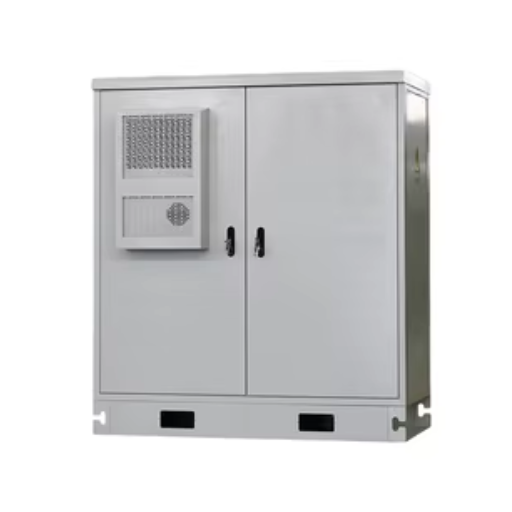
Regular Cleaning Procedures
Regular cleaning is essential for maintaining outdoor telecom enclosures in optimal condition. Proper cleaning procedures protect equipment, extend service life, and ensure consistent operational performance.
🧹 Step-by-Step Cleaning Procedure
Remove Surface Debris
Clear all debris, leaves, and dirt accumulated on enclosure surfaces using a soft brush or cloth. Avoid materials that might scratch protective finishes. Ensure vents and openings remain unobstructed to prevent airflow restrictions and overheating.
Clean Exterior Surfaces
Apply a mild soap and warm water mixture using a non-abrasive sponge. Rinse thoroughly with clean water. Avoid harsh disinfectants or chemicals that could damage the enclosure coating or compromise weather resistance.
Inspect and Document
During cleaning, examine enclosures for cracks, rust, seal deterioration, or other signs of wear requiring repair. Address issues promptly to prevent structural compromise and protect internal equipment from environmental exposure.
Protective Treatments for Longevity
Protective treatments are fundamental for extending outdoor telecom enclosure longevity. A strategic combination of coatings, sealants, and finishes creates multiple layers of defense against environmental degradation.
The combined effect of regular maintenance and protective treatments produces notable increases in outdoor telecom enclosure lifespan. Silicone or rubber-based sealants around joints and seams provide additional protection layers, while UV-resistant coatings ensure consistent performance even in high-sun exposure areas.
Scheduling Maintenance to Maximize TCO
Strategic maintenance scheduling maximizes Total Cost of Ownership for outdoor telecom enclosures. Regular maintenance automatically addresses potential problems by detecting and resolving issues before they escalate into costly repairs or replacements. Establishing a comprehensive maintenance plan covering inspection intervals, cleaning methods, and component checks maintains full enclosure functionality while extending operational life.
📅 Recommended Maintenance Schedule Framework
- Monthly: Visual inspection for obvious damage, debris removal, vent clearing
- Quarterly: Comprehensive cleaning, seal integrity verification, hardware tightening
- Semi-Annually: Protective coating assessment, detailed component inspection, performance evaluation
- Annually: Full system audit, protective treatment reapplication, documentation review for trend analysis
Environmental factors such as temperature changes, atmospheric moisture, and debris accumulation will affect enclosure performance over time. Regular inspection scheduling helps mitigate these risks. During maintenance, look for signs of wear or damage including rust, broken seals, or compromised hardware. Simple yet cost-effective actions—cleaning vents, tightening bolts, resealing joints—prevent major issues without burdening company budgets.
Ensure maintenance schedules comply with equipment manufacturer guidelines while accounting for specific operational environment requirements. High-use or harsh conditions may necessitate more frequent servicing. Documenting all maintenance activities provides clearer pictures of long-term performance trends, offering insights into areas requiring improvement or replacement to further optimize TCO. Adopting strict maintenance regimes safeguards critical infrastructure while ensuring sustained cost efficiency.
Frequently Asked Questions (FAQ)
References
U.S. Department of Veterans Affairs: Infrastructure Standard for Telecommunications Spaces (ISTS) – Covers selection criteria and layout standards for telecommunications enclosures.
University of Connecticut: Telecommunications Design Standards – Provides detailed design standards for telecommunications, including outdoor-rated components.
Characterizing opportunities for short-reach optical interconnect adoption: a market survey and total cost of ownership model approach-Explores TCO models in the context of optical interconnects, which can provide insights into telecom enclosure applications.
Outdoor Telecom Cabinets for Reliable Field Deployment | Wholesale from China Manufacturer