🌱 Introduction to Sustainability in Telecom
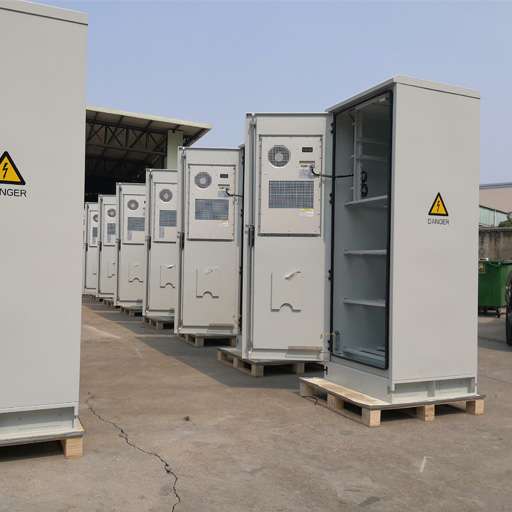
Defining Sustainability in the Telecom Industry
Sustainability in the telecom sector is the adoption of practices and technologies that have little or no negative environmental impacts, promote conservation, and support long-term ecological balance. As a result, the industry minimizes energy use, manages electronic waste responsibly, and where appropriate, uses renewable resources. The objective is to create a situation where the quick expansion of telecommunications does not come at the cost of the planet or its ecosystem’s health.
🔑 Key Elements of Telecom Sustainability
- Energy efficiency: Technologies like 5G networks and energy-optimized data centers contribute substantially to reducing carbon footprints
- Environmentally friendly network infrastructure: Production of strong and recyclable equipment
- Reliable recycling programs: Cutting down on the consumption of non-renewable materials
- Extended product life cycles: Reducing waste through durable design
Not only is the telecom sector protecting the earth by embracing sustainability, but it is also complying with increasing consumer and regulatory pressure for greener practices. In this way, the industry gets to enjoy the perks of innovation, efficiency, and a good image while making a contribution to the world’s sustainability objectives.
The Importance of Sustainable Practices in Telecommunications
The use of sustainable practices in telecommunications is of utmost importance for reducing environmental impact and facilitating the long-term sustainability of the industry. The entire sector consumes a great deal of energy and natural resources, which is why initiatives aimed at preserving the environment are indispensable to the reduction of carbon emissions and waste. Telecommunication companies can significantly diminish their environmental impact by adopting renewable energy and implementing energy-efficient technologies.
Environmental Compliance
Meeting increasingly tough regulations while maintaining consumer trust and competitive advantage in the market.
Innovation & Efficiency
Cutting back on resource consumption and upgrading networks can result in lower operational costs and increased service quality.
Market Positioning
Customers are becoming more conscious of eco-friendliness and patronize companies that prioritize sustainability.
Overview of Eco-Friendly Cabinet Materials
Eco-friendly cabinet materials are those that keep the telecom infrastructure’s environmental impact low while still delivering the required performance. Such materials are purposely created with sustainability as their main concern and largely depend on the usage of renewable, recyclable, or low-impact resources to effectively reduce the amount of waste and carbon created during production and disposal. By choosing to work with environmentally friendly materials, the telecom industry can certainly play its part in global sustainability goals without affecting long-term viability.
⚙️ Properties of Sustainable Materials for Telecom Cabinets

Key Characteristics of Eco-Friendly Materials
The eco-friendly materials employed in telecom cabinets have a few attributes that are primarily durable and sustainable. To begin with, these materials are either made from renewable sources or recycled ones, which guarantees that their production will not considerably harm the environment. Recycled aluminum or bioplastics are materials that not only help in reducing the usage of limited resources but also provide the same strength and life span of the product.
Renewable & Recycled Sources
Materials made from renewable or recycled sources guarantee that production will not considerably harm the environment while providing equivalent strength and lifespan.
Durability & Longevity
Designed to be less likely to get damaged, reducing need for replacements and less waste generated. Can withstand extreme temperatures and heavy moisture.
End-of-Life Design
Designed for either recyclability or biodegradability, ensuring materials will be reconstituted into the resource loop or decompose naturally without disrupting ecosystems.
Comparative Analysis with Traditional Materials
Comparing sustainable materials to traditional ones for telecommunications infrastructure reveals major differences in environmental impacts, longevity, and cost-effectiveness. The production of traditional materials like concrete and some plastics is resource-intensive, emits carbon in large amounts, and does not allow for recycling at the end of life. Sustainable materials, on the other hand, are produced with low emissions, use renewable resources, and are designed to cause little disruption to the environment throughout their life cycle.
💰 Cost Consideration: Sometimes, the front-end expense for sustainable materials may be greater than for conventional options. Nevertheless, reduced maintenance costs, longer lifetimes, and potential energy savings during production or use frequently compensate for this initial outlay. The cost of sustainable materials is increasingly affordable as technology advances and innovation increases.
Impact on Emissions and Environmental Footprint
The use of sustainable materials for the production of telecom cabinets leads to a significant reduction of emissions and also a lower overall environmental footprint. Typical cabinet materials are mostly obtained from non-renewable sources and lead to a high degree of carbon emissions being produced and released in the atmosphere when they are made and disposed of. The industry can effectively minimize its fossil fuel consumption and resultant greenhouse gas emissions by implementing materials such as recycled metals, biodegradable composites, or sustainably sourced plastics.
In addition, eco-friendly cabinet materials are generally less energy-consuming and thus less polluting. This energy-saving practice results in a decrease in emissions released during production stages and is in harmony with global initiatives aimed at reducing carbon emissions. Moreover, these eco-friendly cabinet materials tend to last longer and be recyclable, thus adopting the principles of a circular economy. Recycling is not just about reducing waste; it also helps alleviate the environmental effects of resource extraction for producing new materials.
🏗️ Applications of Sustainable Materials in Telecom Cabinets

Case Studies of Successful Implementation
Examples of Innovative Eco-Friendly Cabinet Designs
The focus on eco-friendly cabinet designs has become a necessary concentration in the telecom industry to both confront and mitigate environmental impact while practicing sustainability. For instance, cabinets made of recycled aluminum give a lightweight yet strong option with a remarkably lower carbon footprint than conventional materials. These cabinets include great resistance to corrosion, which is particularly vital in challenging outdoor environments, resulting in longer life and fewer replacements needed over time.
Bio-Composite Cabinets
Made from plants and their by-products such as fibers and resins. Lessens non-renewable resources dependency while providing strong insulating properties for heat regulation—perfect for energy-efficient concepts.
Modular Designs
Permit easy upgrade or replacement of components without discarding the complete structure, keeping up with the circular approach of resource utilization. Also make transportation and installation less time-consuming.
Recycled Aluminum
Lightweight yet strong with remarkably lower carbon footprint. Great corrosion resistance vital for challenging outdoor environments, resulting in longer life and fewer replacements.
Benefits to Telecommunications Companies
🚀 Driving Sustainability in Telecom Networks

Strategies for Implementing Sustainable Practices
One of the main ways to make telecommunication networks more sustainable is to use environmentally friendly materials for network devices, such as cabinets and equipment. These materials can consist of recycled metal, biodegradable composites, and other sustainable resources, which together can cut down the environmental footprint of telecom infrastructure considerably. When choosing materials with very low impact on nature, companies can incorporate their production into the world’s resources while helping conservation indirectly.
📋 Implementation Framework
Sustainable materials can have the same durability and functionality as traditional counterparts, guaranteeing telecom network dependability.
Lower carbon footprint during manufacturing, easier recycling or eco-friendly disposal. Long-term cost efficiency.
Supplier partnerships with green materials and government incentives can help manufacturers adopt sustainable trends more easily.
Role of AI and Generative AI in Sustainability
AI and generative AI are at the forefront of sustainability initiatives in several sectors, including telecommunications. These innovations facilitate resource management and the realization of environmentally friendly practices by performing analysis of extensive data to determine the best energy use and waste reduction. For instance, AI solutions can oversee network function continuously, spotting areas where energy consumption can be reduced and suggesting methods for the same. Thus, telecom companies can effectively reduce their CO2 emissions.
Design & Innovation
Generative AI plays a role in casting green ideas, from eco-friendly materials to furniture, by trying out designs that put the least pressure on the environment. It considers physical properties and environmental footprints to help manufacturers produce more sustainable and durable goods.
Process Optimization
Through anticipation of trends, improvement of processes, and green-friendly inventions, AI furnishes the tools necessary to cope with fast-paced technological evolution while taking care of the planet. The sector can sync with worldwide sustainability targets.
Key Value Indicators for Measuring Success
When looking at success in terms of sustainability in the telecom industry, several key value indicators can be used to show success or areas needing improvement:
🌿
Carbon Footprint Reduction
Overall decrease in greenhouse gas emissions from the whole supply chain. Track emissions from manufacturing, transportation, installation, and operation. Measurable cuts linked to energy-efficient technologies and renewable energy sources.
♻️
Material Efficiency & Waste Reduction
Watch the percentage of recycled, reusable, or biodegradable materials used for telecom infrastructure. Shows commitment to environmentally friendly practices through waste production reduction and making equipment entirely recyclable at end of life.
⚡
Energy Consumption & Efficiency
Especially important for towers, servers, and data centers. Evaluate through energy-saving measures leading to decline in power demand, optimization of energy use patterns, and adoption of renewables into operations energy mix.
🔮 Future Trends in Sustainable Telecommunications

Emerging Technologies in Eco-Friendly Materials
The use of eco-friendly materials is gradually taking over the telecommunications industry, making the whole process more sustainable. An example is the biodegradability and recyclability of newly developed parts designated for devices and infrastructure. A major source of biodegradables is bioplastics produced from corn starch, taking over a part of the plastics sector in manufacturing and cutting down on environmental waste. Besides, researchers are investigating composites consisting of recycled metals and natural fibers for durable yet eco-friendly telecommunications equipment.
Self-Healing Materials
Being perfected for allowing minor damage or wear to occur in main components without intervention. Lessens replacement frequency and aids in conserving resources while producing less waste.
Advanced Coatings
User-friendly coatings with properties of longevity and resistance from elements such as rain and rust. Makes outdoor telecommunication infrastructures like towers and cables less prone to damage and require less maintenance.
Graphene & Advanced Conductors
Lightweight materials with very high conductivity likely to provide great boost to battery and supercapacitor efficiency while reducing traditional heavy and resource-consuming materials. Promotes eco-friendliness and energy efficiency.
Sustainability Trends Shaping the Telecom Industry
The use of eco-friendly materials for telecom cabinets is one of the main ways to make telecommunication infrastructure greener. In the past, these cabinets were made of steel or aluminum, which are very strong but also necessitate energy-consuming and harmful production processes. The sector is now moving to the use of recycled plastics and alternative materials. These choices not only help produce less carbon but also cut down dependence on non-renewable resources, aligning with global sustainability goals.
🌐 Key Industry Shifts
Reduced energy in manufacturing and transportation compared to traditional materials.
Substitutes designed to be long-lasting and resistant to weather changes while doing little harm to environment.
Opens door for reusing and recycling parts at end of life cycles in telecom infrastructure.
The telecom cabinet material upgrade towards eco-friendliness is a major part of eco-friendly practices pushing the telecom industry to reduce its environmental footprint. This move is crucial for fulfilling long-term climate goals since the sector tries to balance operational growth with sustainable practices. By incorporating these materials into their operations, telecom companies can become a major factor in promoting eco-friendly technologies while guaranteeing the availability of strong and quality service.
❓ Frequently Asked Questions
Q: What is “Sustainability in Telecom: Eco-Friendly Cabinet Materials” and why does it matter?
“Sustainability in Telecom: Eco-Friendly Cabinet Materials” consists of choosing recycled materials and low-impact designs for cabinets used in telecom networks as a means to diminish the environmental footprint of electronic communications networks. For telcos and telecom providers, this is part of a wider commitment to sustainability and sustainable development, thereby reducing carbon emissions, energy consumption, and scope 2 emissions throughout the value chain while pushing sustainability goals towards 2030 and a sustainable future.
Q: How do eco-friendly cabinets help telecom operators reduce their footprint?
Eco-friendly cabinets not only use recycled materials but also implement better thermal design and support renewable energy integration which translates into better resource management and increased energy efficiency. Sustainable telecommunications networks can mitigate the effects of telecom operations and data center cooling needs and thereby contribute to a lower carbon footprint and improved sustainability performance and reporting across the telecom sector.
Q: What sustainability metrics and KPIs should telcos use to measure impact?
The sustainability indicators and key value indicators for cabinet materials consist of lifecycle CO2e, embodied carbon per cabinet, energy use during operation, recyclability rate, and scope 2 emissions linked to manufacturing and deployment. These sustainability indicators and key value indicators are involved in sustainability reporting and help telecom companies monitor their progress toward sustainable development goals and targets for 2024–2030.
Q: Can adopting eco-friendly cabinets influence the telecom supply chain and value chain?
Yes. The choice of sustainable products and recycled materials creates a new demand pattern in the supply chain that in turn makes suppliers adopt greener manufacturing and sourcing practices. This value chain optimization reduces emissions from upstream sources, promotes clarity of supply chain sustainability through reporting, and brings industry leaders and telecom providers closer to being united in their commitment to sustainability.
Q: What role do AI and digital transformation play in implementing sustainable cabinet solutions?
Based on artificial intelligence and telco cloud features, it is possible to have predictive cooling, smart power management, and optimized deployment, leading to the reduction of energy usage and emissions. The utilization of AI during sustainability performance assessment will also create indicators that can be utilized to optimize mobile networks and data centers in support of driving sustainability in telecom and reducing the environmental burden of telecommunications networks.
Q: How do eco-friendly cabinets align with broader sustainability initiatives like SDGs and industry roadmaps?
The use of eco-friendly cabinet materials supports the environmentally friendly use of telecom and the SDGs, emphasizing the necessity of reducing environmental footprint and promoting responsible consumption and production. They align with sustainability initiatives promoted by industry groups like the Next G Alliance and contribute to long-term plans for 5G/6G implementation and the commitment to zero emissions by 2030, showing the telecom industry’s serious commitment to sustainability.
Q: Are there trade-offs or challenges when switching to recycled and low-impact cabinet materials?
The main problem areas include making sure the material has required mechanical strength, thermal and electromagnetic compatibility, confirming recycled content, and updating sustainability reporting and procurement KPIs. Telecom operators have to take into account the total cost of ownership—including upfront costs and life cycle savings—and also network reliability when delivering sustainable solutions.
Q: What practical steps can telcos take in 2024 to adopt eco-friendly cabinet materials?
The action steps include: first, change procurement standards to give priority to recycled materials; second, set up sustainability KPIs; third, carry out lifecycle assessments; fourth, pilot test new cabinet designs in mobile networks and data centers; and finally, integrate renewable energy resources. These steps will be beneficial for telecommunications companies because they will be able to show consumers their commitment to sustainability through measurable improvements in indicators and performance assessment.
Q: How will eco-friendly cabinets contribute to the future of telecom networks, including 6G and beyond?
With telecom networks slowly evolving toward 6G, the telecom infrastructure for sustainable telecommunications networks will be of a low-footprint type. The use of eco-friendly cabinets not only decreases embodied emissions but also provides a supporting framework for telco services and facilitates eco-friendly digital transition. The combination of AI-optimized resource allocation and renewable energy will make the telecom industry not only more sustainable but also part of a resilient, future scenario focused on the value of sustainability.
📚 References
-
- SSRN: Green Telecommunication – A Review
This review discusses the use of eco-friendly components and energy-efficient practices in telecommunications, including the reduction of hazardous materials. - Wiley Online Library: Planning Energy‐Efficient and Eco‐Sustainable Telecommunications Networks
This article explores the integration of eco-friendly power sources and materials in telecom infrastructure, including outdoor cabinets. - LUT University: Assessing Environmental Sustainability of Packaging Solutions for Telecommunications Network Products
This study focuses on sustainable development in packaging materials for telecom products, offering insights into eco-friendly approaches. - Outdoor Telecom Cabinets for Reliable Field Deployment | Wholesale from China Manufacturer
- SSRN: Green Telecommunication – A Review